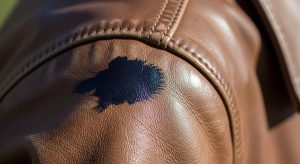
Winter road crews across Canada spread millions of tonnes of de-icing salt onto streets and sidewalks every season, and that salt lands on boot leather the moment slush melts against the upper.1 Anyone who wears leather boots through the cold months eventually asks the same question: how to clean leather boots without drying out the hide or damaging the finish.
The right method depends on the leather type, how dirty the boots are, and what caused the mess. Mud, road salt, and general grime each need slightly different handling, since the wrong product can crack or discolour a boot permanently. This guide walks through the process, flags a few common mistakes, and covers when a professional is worth calling.
How to Clean Leather Boots at Home
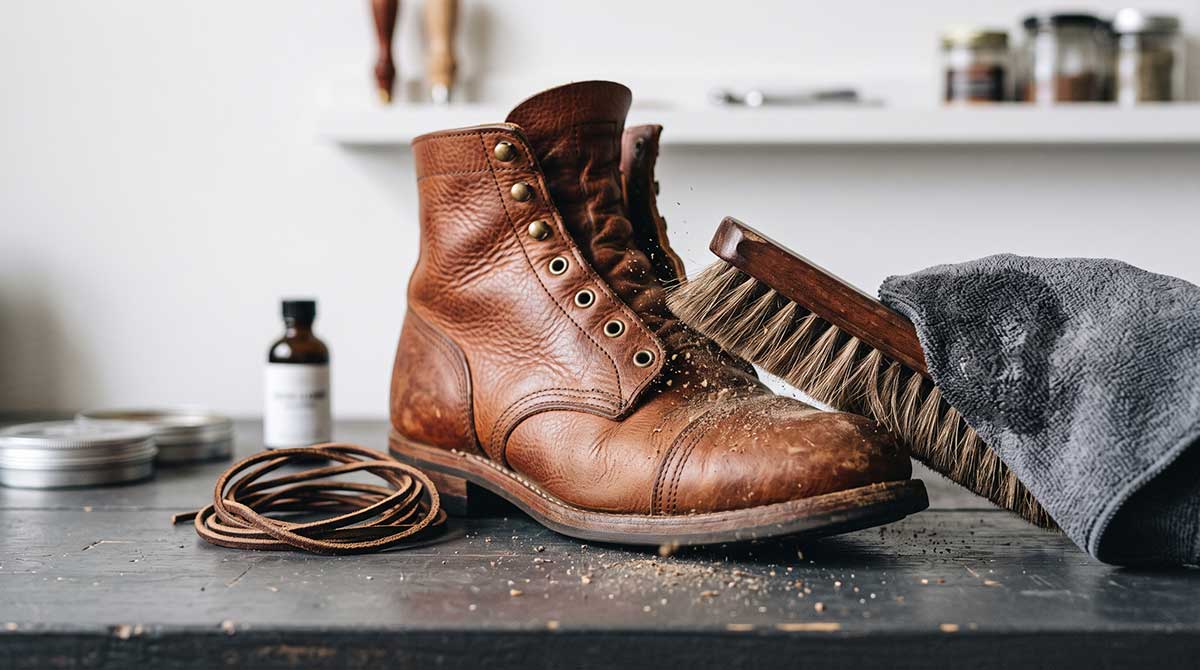
Cleaning leather boots at home rarely calls for anything beyond a few basic tools and some patience. Start by pulling out the laces, since dirt tends to collect behind the eyelets and along the tongue where a cloth cannot reach. Brush the exterior with a soft horsehair brush first, knocking loose dry mud, sand, and salt crystals before any liquid touches the surface. Much of this mirrors the routine used for cleaning leather shoes, just scaled up for a taller upper and heavier winter exposure. Once the loose debris is gone, dampen a microfibre cloth or soft sponge with room temperature water or a pH-balanced leather cleaner, then work across the upper in small circular motions, tackling one panel at a time rather than soaking the whole boot.
A second pass with a clean, well-wrung cloth lifts away any leftover cleaner. From there, set the boots somewhere cool, shaded, and well-ventilated to dry naturally, since a spot near a radiator or heating vent does more harm than good. Direct heat on wet leather, even at fairly mild temperatures, breaks down the fibres holding the hide together and causes cracking that no conditioner will reverse. Once the boots are fully dry, a thin layer of conditioner restores some of the oils lost during cleaning, and the leather usually feels noticeably softer within a day.
Tools for Cleaning Dirty Leather Boots

Figuring out how to clean dirty leather boots usually starts with having the right supplies on hand before the mess sets in. A short list covers most situations:
- A horsehair brush for loose dirt, sand, and dried mud on smooth or full grain leather
- A stiff nylon brush kept strictly for treads and rubber outsoles
- Microfibre cloths for wiping down panels and mopping up residue
- A pH-balanced leather cleaner or a mild, diluted soap made for hides
- A manufacturer-approved conditioning cream to replace lost oils
- Cedar shoe trees or plain paper to hold shape while boots dry
Keeping these together in a bin by the door saves a scramble every time boots come in covered in slush.
Cleaning Methods by Leather Type

The best way to clean leather boots changes quite a bit once suede, nubuck, or patent finishes enter the picture, since none of them respond well to the treatment smooth leather takes. The table below offers a quick reference before reaching for any product.
| Leather Type | Cleaning Method | Avoid |
| Smooth or full grain | Damp microfibre cloth or leather cleaner, then condition | Harsh household cleaners, soaking |
| Suede or nubuck | Dedicated suede brush, rubber eraser block for scuffs | Waxes, creams, standard cleaners |
| Patent leather | Simple wipe down with a damp cloth | Oils, conditioners, solvents |
| Waterproof treated | Manufacturer-approved cleaner only | Heavy greases, silicone sprays |
Salt rings on smooth leather need an extra step beyond the table above. A one-to-two ratio of white vinegar to water, wiped on with a microfibre cloth and followed by a clean water rinse, dissolves the mineral crust without harming the hide. Canada’s federal code of practice classifies chloride-based de-icers as substances needing careful environmental management, one reason so much of it ends up on winter footwear each year.2. Conditioning afterward matters here too, since the vinegar strips natural oils right along with the salt.
Leather Boot Care and Maintenance
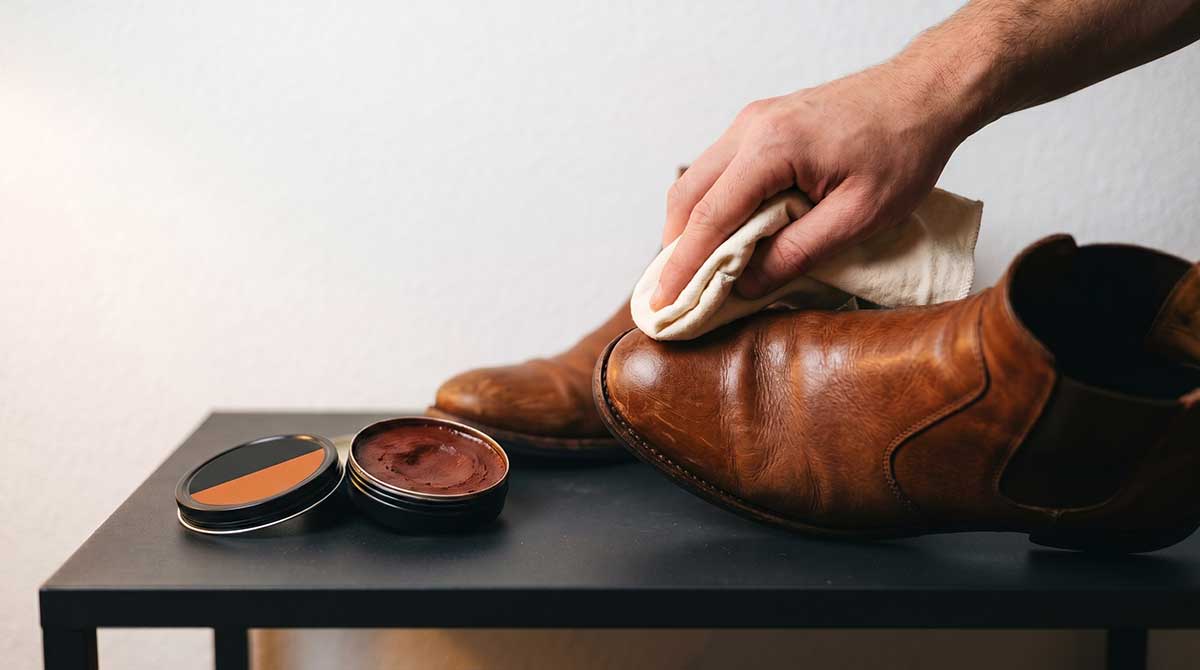
These leather boot cleaning tips hold up across most of a Canadian winter, though ongoing care and maintenance count for just as much as the initial clean. A seasonal rhythm beats waiting until the boots look rough:
- After each wear, brush off snow, sand, and slush before boots go into a warm closet
- Every three to six weeks, check for salt rings and treat them with a vinegar wash if needed
- Condition the leather every three to six months, sooner if the hide starts feeling stiff
- Before storing for the season, clean thoroughly, condition once more, and switch to breathable dust bags instead of plastic bins
Small salt stains left untreated for a full season are usually how leather ends up cracked and brittle by spring.
Leather Boots Professional Cleaning and When It Helps

Not every problem gets solved with a brush and a cloth. Deep cracking through the grain layer, torn welt stitching, or a sole separating from the upper are past home care, and piling on more product only makes things worse. A cobbler experienced in leather repair can restitch a welt seam, re-cement a loose sole, or resurface scuffed areas that home treatments simply will not touch. The same goes for boots with sentimental or financial value, where a shop with the right equipment can add several more winters to a pair’s life. For lighter jobs, a careful at-home routine covers nearly everything most boots will face in a typical season.
Leather boots hold up well against a Canadian winter when they get cleaned before dirt and salt set in, dried slowly away from direct heat, and conditioned on a schedule instead of left until the hide turns stiff. A few minutes of attention after each wet outing prevents most of the more serious damage that tends to show up by February.
Get a quote from us if a favourite pair needs more than a home routine can give it.
References
1. Canada, Natural Resources. Salt Damage. 19 June 2026, tidcf.nrcan.gc.ca/en/diseases-and-damage-caused-by-other-agents/factsheet/10.
2. Canada, Environment and Climate Change. “Code of Practice for the Environmental Management of Road Salts.” Canada.ca, 2 Aug. 2022, www.canada.ca/en/environment-climate-change/services/pollutants/road-salts/code-practice-environmental-management.html.