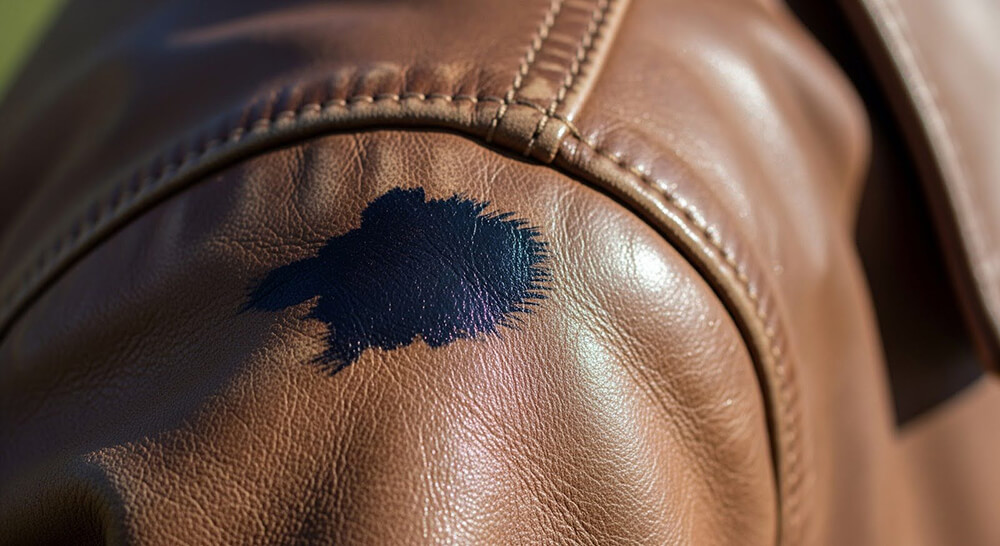
Ink stains on leather are frustrating because they spread quickly and can sink into the surface before you even notice. If you act early, you usually have a better chance of removing the stain without changing the leather’s colour or finish. Once the ink dries or sits for days, it can migrate deeper into the material and become much harder to lift cleanly.
Many people try to wipe the mark right away, but that is often what makes it worse. Ink needs controlled spot cleaning. Stains like ink often require a more methodical approach because different materials and different soils respond differently to cleaning agents.1
The good news is that many pen stains on finished leather can be reduced or removed at home. You just need to use the right technique and avoid common mistakes.
Identify The Leather Before You Clean
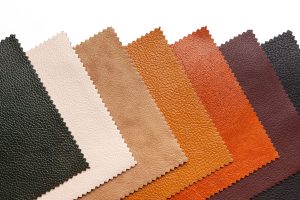
Before doing anything, identify what kind of leather you are working with. Leather reacts differently depending on its finish and porosity. Some leather has a protective topcoat that helps block stains. Others absorb liquids fast, which makes DIY stain removal risky.
If the leather feels smooth and sealed, you likely have finished leather, and your chances are better. If it feels matte, soft, and absorbent, treat it as high risk.
Be cautious if the item is suede, nubuck, aniline leather, antique leather, or anything that looks untreated. These materials can darken, stiffen, or stain permanently when exposed to moisture or solvents.
Why Ink Stains Are Hard To Remove
Ink is designed to bond to surfaces. On leather, it often does more than sit on top. It can travel through the finish layer and into the fibre structure underneath. That is why rubbing the stain is one of the worst things you can do. It spreads the ink outward and pushes it deeper at the same time.
If you are trying to remove ink off leather, treat it like a controlled stain removal process. Work small. Keep the cleaner localized. Lift slowly.
Leather Types And Risk Snapshot
Here is a quick guide to help you judge how careful you need to be:
| Leather Surface | What It Usually Means | DIY Ink Removal Risk | Best First Move |
| Finished Top Grain | Protective coating on top | Medium | Blot, then swab clean |
| Full Grain Or Aniline | Very porous and absorbent | High | Stop and seek help |
| Heavily Coated Leather | Thick top layer | Medium | Blot, avoid harsh solvents |
| Bonded Leather | Mixed fibres with a synthetic binder | High | Test carefully, avoid aggressive cleaners |
If you are not sure what you have, treat it like delicate leather until proven otherwise.
What To Do Immediately After Ink Gets On Leather
If the ink is fresh, your first step is damage control.
Use a clean white cloth or paper towel and blot straight up and down. Keep the pressure light. Do not rub. Do not wipe side to side.
Switch to a clean section of cloth after each blot. This prevents transferring ink back onto the leather.
If the ink is dry on smooth leather, you can try gently lifting surface residue using a white vinyl eraser. Avoid harsh scrubbing. Once the surface ink loosens, wipe away the residue gently.
How To Remove Ink From Leather Using A Swab Method
For most finished leather items, the safest DIY method is controlled swabbing with isopropyl alcohol.
Do not pour alcohol directly onto the stain. That is how people accidentally create a larger ink halo. Instead, apply a small amount to a cotton swab or clean white cotton cloth.
Here is the method:
- Patch test first.
- Dab the stain lightly, using minimal pressure.
- Work in small circular motions.
- Replace the swab as soon as it picks up ink.
- Continue slowly, staying inside the stained area.
If you are trying to figure out how to remove pen ink from leather, this technique is usually safer than wiping with a cloth. Swabs keep the alcohol controlled, which helps prevent the ink from spreading into stitching or seams.
If you see the stain fading, keep going, but take breaks. If nothing changes after several attempts, stop. Aggressive cleaning can strip the finish.
Patch Testing Before You Clean
Patch testing is non-negotiable. Leather finishes vary, and even gentle cleaners can cause discolouration or dull patches.
Choose a hidden spot like:
- Under a seat cushion
- The inside edge of a leather bag flap
- The underside of a jacket hem
- A hidden seam on a car seat
Apply your product to a swab and dab lightly. Let it dry fully before judging the result.
Stop immediately if you notice:
- Colour transfer onto the swab
- A dull patch is forming
- A dark ring or tideline
- A sticky surface
- Stiffness or cracking
If the leather dye starts lifting, you are no longer cleaning a stain. You are stripping colour.
When Distilled Water Can Help
In some cases, distilled water combined with a mild non-detergent soap can help with light surface smudges. Distilled water matters because tap water minerals can leave marks and cause uneven darkening.
Use a barely damp cloth, not a wet one. Work gently and stop if you see a ring forming. Tidelines are common when leather absorbs moisture unevenly.
This method may not be the best approach for deep ink stains, but it can help with minor marks or residue left behind after blotting.
Ink stains on leather are frustrating because they spread quickly and can sink into the surface before you even notice. If you act early, you usually have a better chance of removing the stain without changing the leather’s colour or finish. Once the ink dries or sits for days, it can migrate deeper into the material and become much harder to lift cleanly.
Many people try to wipe the mark right away, but that is often what makes it worse. Ink needs controlled spot cleaning. Stains like ink often require a more methodical approach because different materials and different soils respond differently to cleaning agents.1
The good news is that many pen stains on finished leather can be reduced or removed at home. You just need to use the right technique and avoid common mistakes.
Identify The Leather Before You Clean
Before doing anything, identify what kind of leather you are working with. Leather reacts differently depending on its finish and porosity. Some leather has a protective topcoat that helps block stains. Others absorb liquids fast, which makes DIY stain removal risky.
If the leather feels smooth and sealed, you likely have finished leather, and your chances are better. If it feels matte, soft, and absorbent, treat it as high risk.
Be cautious if the item is suede, nubuck, aniline leather, antique leather, or anything that looks untreated. These materials can darken, stiffen, or stain permanently when exposed to moisture or solvents.
Why Ink Stains Are Hard To Remove
Ink is designed to bond to surfaces. On leather, it often does more than sit on top. It can travel through the finish layer and into the fibre structure underneath. That is why rubbing the stain is one of the worst things you can do. It spreads the ink outward and pushes it deeper at the same time.
If you are trying to remove ink off leather, treat it like a controlled stain removal process. Work small. Keep the cleaner localized. Lift slowly.
Leather Types And Risk Snapshot
Here is a quick guide to help you judge how careful you need to be:
| Leather Surface | What It Usually Means | DIY Ink Removal Risk | Best First Move |
| Finished Top Grain | Protective coating on top | Medium | Blot, then swab clean |
| Full Grain Or Aniline | Very porous and absorbent | High | Stop and seek help |
| Heavily Coated Leather | Thick top layer | Medium | Blot, avoid harsh solvents |
| Bonded Leather | Mixed fibres with a synthetic binder | High | Test carefully, avoid aggressive cleaners |
If you are not sure what you have, treat it like delicate leather until proven otherwise.
What To Do Immediately After Ink Gets On Leather
If the ink is fresh, your first step is damage control.
Use a clean white cloth or paper towel and blot straight up and down. Keep the pressure light. Do not rub. Do not wipe side to side.
Switch to a clean section of cloth after each blot. This prevents transferring ink back onto the leather.
If the ink is dry on smooth leather, you can try gently lifting surface residue using a white vinyl eraser. Avoid harsh scrubbing. Once the surface ink loosens, wipe away the residue gently.
How To Remove Ink From Leather Using A Swab Method
For most finished leather items, the safest DIY method is controlled swabbing with isopropyl alcohol.
Do not pour alcohol directly onto the stain. That is how people accidentally create a larger ink halo. Instead, apply a small amount to a cotton swab or clean white cotton cloth.
Here is the method:
- Patch test first.
- Dab the stain lightly, using minimal pressure.
- Work in small circular motions.
- Replace the swab as soon as it picks up ink.
- Continue slowly, staying inside the stained area.
If you are trying to figure out how to remove pen ink from leather, this technique is usually safer than wiping with a cloth. Swabs keep the alcohol controlled, which helps prevent the ink from spreading into stitching or seams.
If you see the stain fading, keep going, but take breaks. If nothing changes after several attempts, stop. Aggressive cleaning can strip the finish.
Patch Testing Before You Clean
Patch testing is non-negotiable. Leather finishes vary, and even gentle cleaners can cause discolouration or dull patches.
Choose a hidden spot like:
- Under a seat cushion
- The inside edge of a leather bag flap
- The underside of a jacket hem
- A hidden seam on a car seat
Apply your product to a swab and dab lightly. Let it dry fully before judging the result.
Stop immediately if you notice:
- Colour transfer onto the swab
- A dull patch is forming
- A dark ring or tideline
- A sticky surface
- Stiffness or cracking
If the leather dye starts lifting, you are no longer cleaning a stain. You are stripping colour.
When Distilled Water Can Help
In some cases, distilled water combined with a mild non-detergent soap can help with light surface smudges. Distilled water matters because tap water minerals can leave marks and cause uneven darkening.
Use a barely damp cloth, not a wet one. Work gently and stop if you see a ring forming. Tidelines are common when leather absorbs moisture unevenly.
This method may not be the best approach for deep ink stains, but it can help with minor marks or residue left behind after blotting.
Products And Tools To Avoid
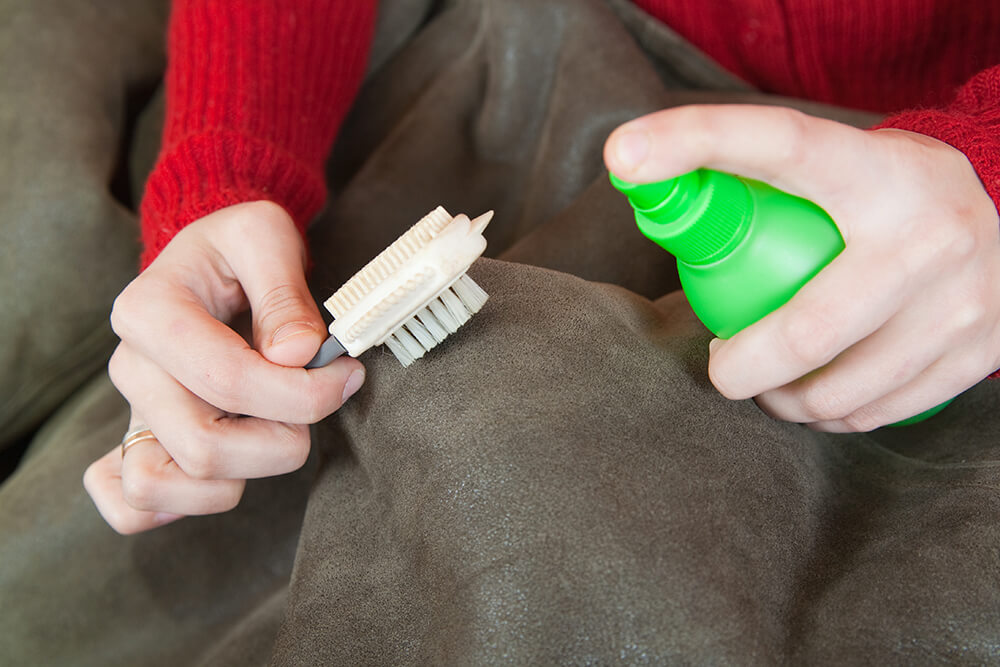
Many leather items are ruined because people use cleaners meant for kitchen counters or upholstery fabric.
Avoid the following:
- Bleach
- Acetone
- Ammonia
- Abrasive pads
- Magic eraser style sponges
- Strong all-purpose cleaners
- Furniture polish
- Dish soap
Research says that products that seem harmless can still change the leather finish, dull the protective layer, or weaken the surface over time.2 For this reason, stain removal needs controlled products and careful testing.
This matters even more if you are dealing with bonded leather or synthetic blends. With faux leather, certain solvents can damage the coating and lead to peeling.
Ventilation And Safe Cleanup
If you are using alcohol or any solvent-based product, work in a well-ventilated area. Open windows and run a fan. If you start feeling lightheaded, step away and take a break.
Do not leave solvent-soaked rags in a pile. Lay them flat to dry in a safe outdoor area before disposal. If you have leftover chemical products, follow your city’s hazardous waste disposal guidelines.
Aftercare After You Remove The Ink
Even if the ink comes out, cleaning can remove oils from the leather. That can leave the area slightly dry or stiff.
- Once the leather is fully dry, apply a small amount of leather conditioner using a soft white cloth. Spread it lightly and evenly.
- Do not overdo it. Too much conditioner can leave the surface sticky and attract dirt.
Regular conditioning also helps extend the life of fine leather goods like handbags, leather boots, jackets, and high-end furniture.
When To Stop And Call A Professional
Sometimes, ink removal becomes a restoration job that calls for professional intervention, especially when:
- The leather is suede, nubuck, or aniline
- The stain is large or spread out
- The ink has been there for weeks or months
- The leather dye starts transferring during cleaning
- The finish turns dull, sticky, or patchy
Old stains often require colour restoration or finish repair. In those cases, professional leather repair and restoration. may be the safer route. Trying to fix a deep stain with stronger solvents can permanently alter the texture or colour.
Frequently Asked Questions
How Do I Remove Pen From Leather Seats Without Dulling The Finish?
Start by blotting if the stain is fresh. If it is dry, use the swab method with isopropyl alcohol after patch testing. Keep the alcohol controlled and avoid soaking the area. Stop immediately if the leather colour transfers to your swab.
How Do I Remove Ink Stains From Leather When The Mark Is Old?
Older ink stains are harder because pigment can migrate deeper into the leather over time. You can still attempt careful swabbing, but full removal is not always possible. If the stain stops fading, continuing may damage the finish.
How Do I Remove Pen Marks From Leather Without Spreading Them?
Avoid wiping. Blot straight up and down, then work with cotton swabs instead of cloths. Swabs reduce the risk of ink spreading into surrounding areas and help keep cleaning localized.
How Love Your Leather Can Help
If the stain is not improving or the leather finish is starting to look uneven, Love Your Leather can help with professional ink removal and leather restoration. Get a quote from us today!
References
- “Stain Removal From Textiles and Leather.” ResearchGate, www.researchgate.net/publication/298854561_Stain_removal_from_textiles_and_leather.
- “Effect of Cleaning Products on Upholstery Leather Finishes.” ResearchGate, www.researchgate.net/publication/41545889_Effect_of_cleaning_products_on_upholstery_leather_finishes.